What Disney, Google, and Netflix Know About Experiential Marketing That Most Brands Are Still Figuring Out
The world's most valuable brands don't just show up at events. They engineer moments people can't stop talking about. Here's the playbook and why it works.

There's a question every experiential marketing team eventually asks after a major event: Why did that one activation get shared a thousand times, and ours got shared twelve?
The answer isn't budget. It isn't the size of the booth. It isn't even the product.
It's whether or not the person walking away had something they wanted to tell someone about.
Disney, Google, and Netflix have been engineering those moments for years. Not because they have unlimited resources, but because they've figured out something most brands are still learning: the goal of a live activation isn't attendance. It's emotional ownership.
When someone feels like they're the star of the experience, they share it. Every single time.
What Disney Gets Right That Most Event Teams Miss
Disney doesn't do photo ops. They do transformations.
There's a reason a kid standing in front of a castle backdrop at a Disney event isn't the same as a kid standing in front of a castle backdrop anywhere else. Disney has spent decades building a psychology around what it means to be inside a story.
Their activations don't put you next to the experience. They put you in it.
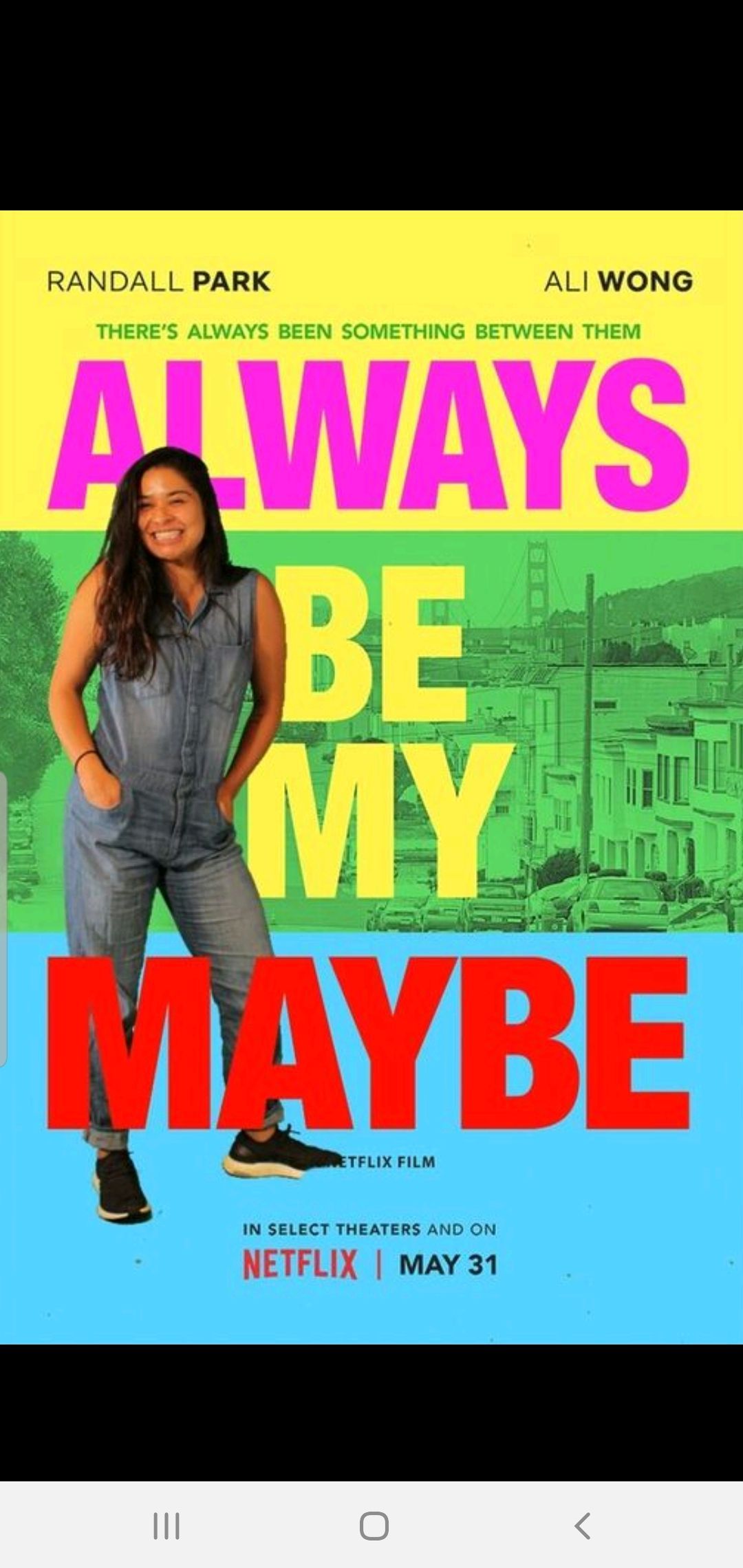
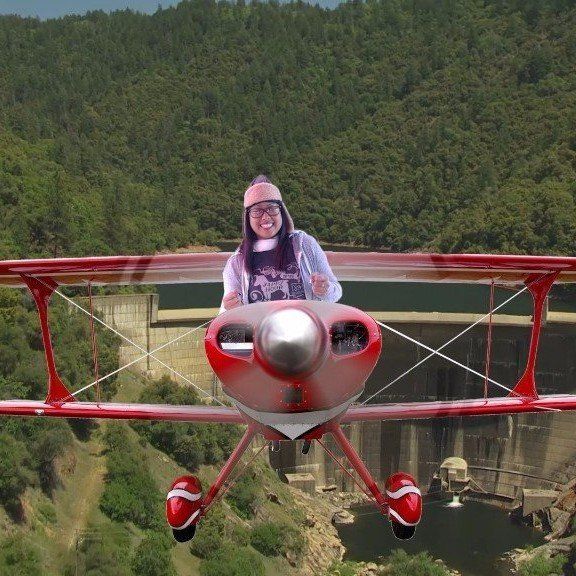
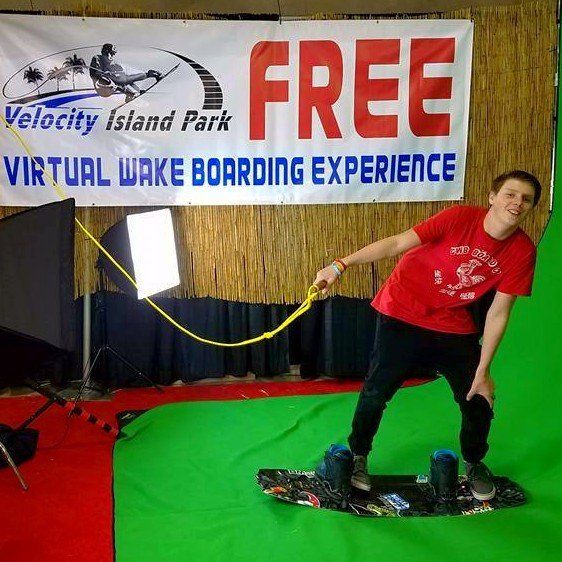
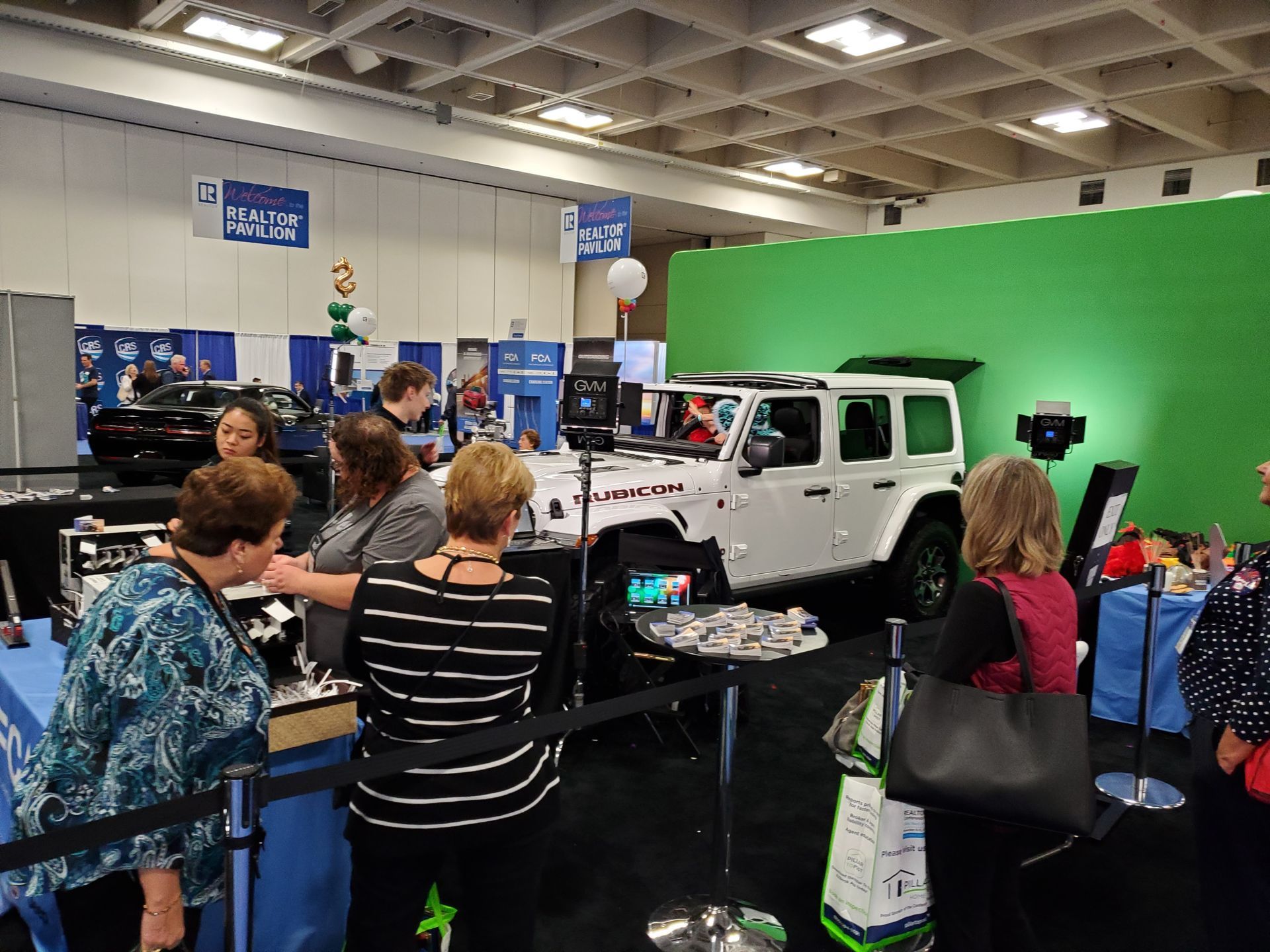
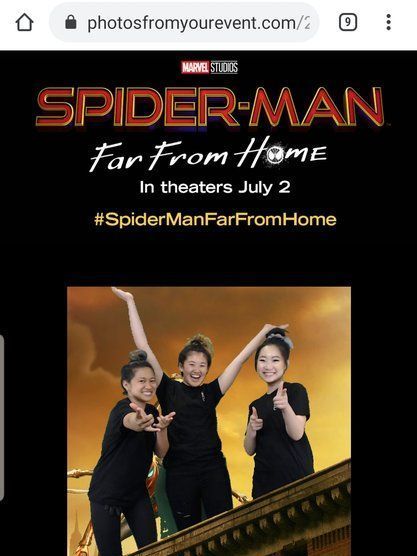
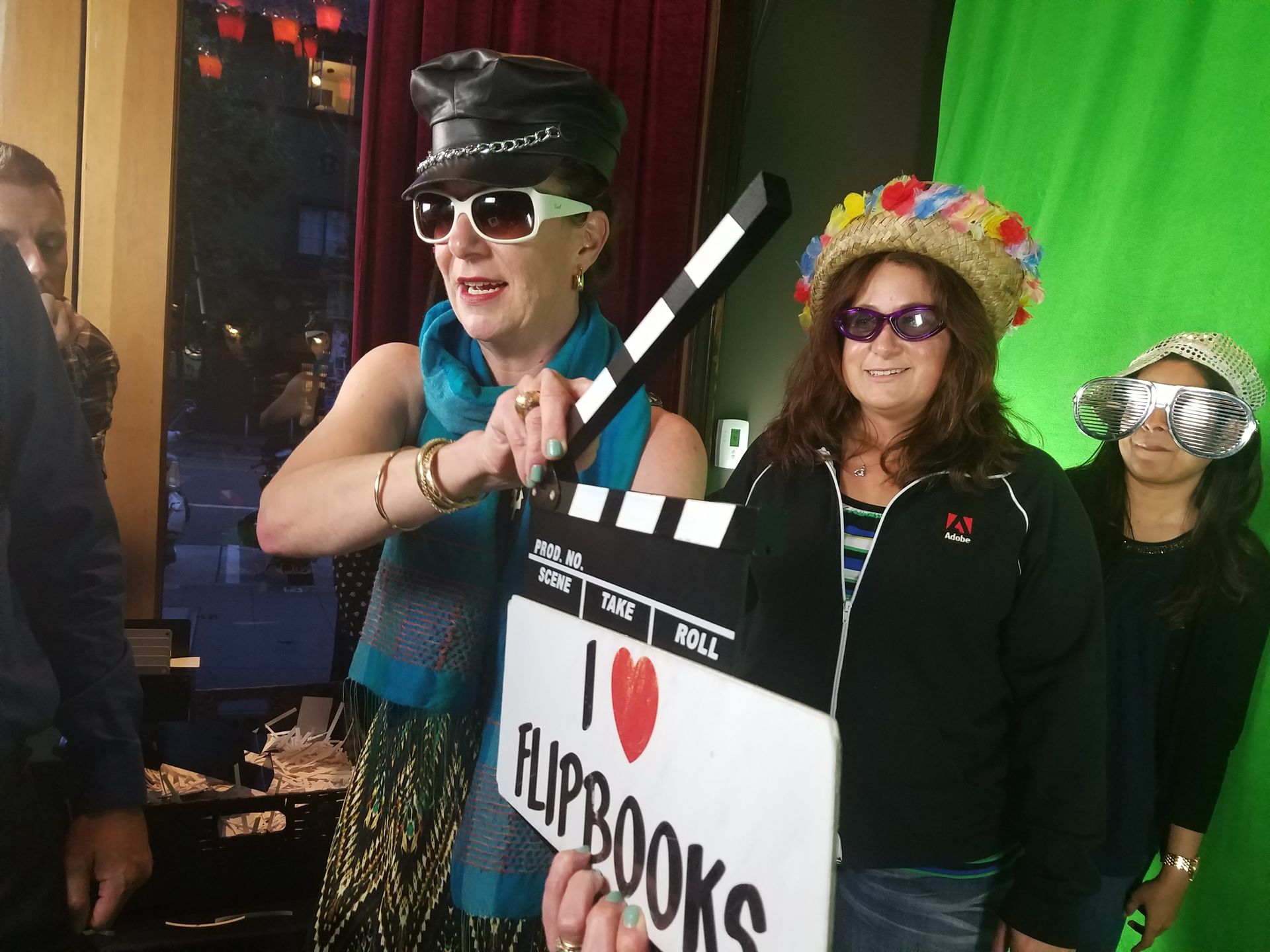
At major promotional events, Disney consistently uses green screen compositing, custom video environments, and instant content delivery to place guests inside scenes from their films. Guests aren't watching. They're in the movie.
The result isn't just a great memory. It's a piece of personalized branded content that goes straight to their phone and straight to their feed.
That's not accidental. That's architecture.
The lesson isn't to copy Disney's IP. The lesson is to stop designing activations where people watch your brand and start designing experiences where they become part of it.
The Google Approach: Make It Feel Like the Future
Google's events have a signature quality: they make whatever technology they're promoting feel not just useful, but inevitable.
When Google activates at conferences and product launches, the experience is always a demonstration disguised as entertainment. Attendees don't sit through a product pitch. They use the product. They feel the product. And then they tell people what it felt like.
That's experiential marketing at its most sophisticated. The activation IS the message.
What Google understands is that technical audiences, which is equally true of CMOs, agency buyers, and brand strategists, don't respond to claims. They respond to proof. You don't tell an engineer your product is fast. You let them experience speed and watch their face change.
The same principle applies to any brand selling something complex or premium. You can explain it in a deck. Or you can put someone inside the experience and let the moment do the selling.
Netflix's Playbook: Fanhood Is a Force Multiplier
Netflix activations operate on a different engine entirely. They start with something most corporate brands don't have: an existing audience that is already emotionally invested.
But here's what's interesting about how Netflix uses that advantage. They don't just lean on it. They amplify it.
At events like Comic-Con and major entertainment premieres, Netflix builds environments where fans don't just encounter the show. They create something from it. A custom video of themselves in a world they already love. A moment that puts them on the set of a show they've watched a hundred times.
The emotional investment the fan already brought to the event gets channeled into content they made themselves. That content goes everywhere. It hits fan communities, personal feeds, group chats. It reaches people who weren't at the event and makes them wish they were.
Netflix figured out early what every brand is slowly learning: your most passionate customers are your best media channel. You don't need to buy their attention. You need to give them something worth sharing.
That's the shift. From impressions to amplification. From attendance to reach.
The Pattern Underneath All Three
Disney. Google. Netflix. Three different industries, three different audiences, three radically different creative approaches.
But the mechanism is identical every time.
They create an experience that puts the attendee at the center. They deliver personalized content to that attendee immediately. And then they let the attendee's own network do the work.
No paid placement. No influencer contracts. No "sponsored" label that tanks credibility. Just real people sharing something they genuinely loved, to audiences who trust them.
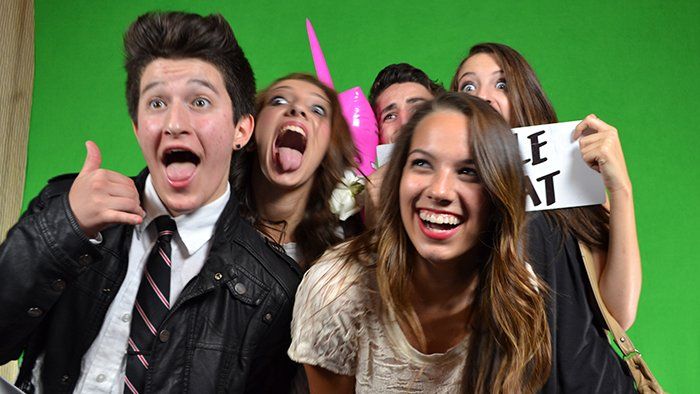
The organic sharing rates at these activations aren't good by accident. They're engineered. The creative is designed specifically to be share-worthy. The delivery is frictionless. The content is personalized enough that sharing it feels like an expression of identity, not a favor to a brand.
That combination, personalization plus instant delivery plus emotional resonance, is what drives 50% to 70% organic share rates. And it's replicable at any scale.
What This Means for Your Next Event
You don't need Disney's marketing budget or Netflix's IP library to execute this playbook. What you need is a production partner who understands that the activation's job isn't to entertain the people in the room. Its job is to create content those people carry out of the room and into their networks.
That's been the obsession behind everything we build at Action Flipbooks for over 16 years. One question drives every activation we design: what makes someone share?
The answer is always some version of the same thing. Make them the star. Make it instant. Make it something they're proud to put their name on.
Everything else is execution.
Ready to talk about your next activation?
1-800-785-0260 · actionflipbooks.com · Check availability and pricing
Featured Stories